AI systems for scientific discovery
I build the reasoning layer of drug-discovery programs — from evidence to decision
What I do
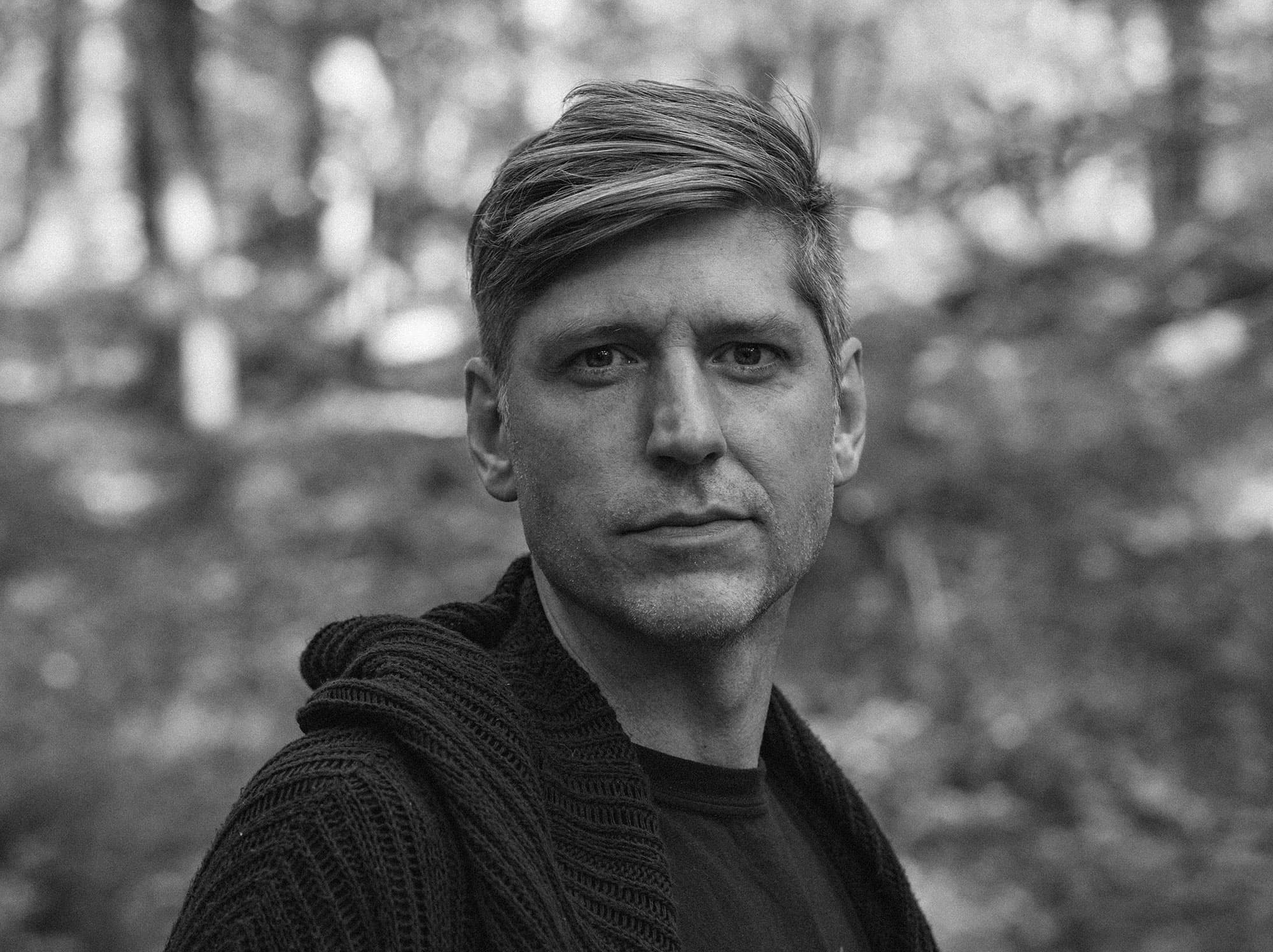
Acting under uncertainty
There are no guarantees in science, nor in life, yet you still have to make choices. That's the challenge I build for - systems that help you make the best decisions possible given incomplete information. My work lives at the reasoning layer: turning complex, insufficient evidence into decision-grade substrate.
I'm a software engineer with 25 years of shipping, but philosophy is my first love. I trained in it alongside neuroscience, and I bring a systems-level, first-principles way of thinking to the design of scientific tools and programs.
Raising a child with a rare disease teaches you many things, not the least that if the answers don't exist yet, you have to find them yourself. So I'm building a decision-intelligence platform for running translational research programs — and proving it on a real one: I founded the CURE5 Foundation to accelerate therapies for CDKL5 Epilepsy, and I run its portfolio across AI-driven drug repurposing, cortical-organoid screening, iPSC development and small-molecule discovery, with Harvard, Boston Children's Hospital, BrainStorm Therapeutics, Unravel Biosciences and other labs.
Earlier I shipped FDA-cleared software for seizure detection and built real-time data systems now permanently installed at the 9/11 Memorial Museum. I also work with early-stage biotech and health-AI companies as a fractional CTO, helping them design their translational programs and architect the AI systems that will run them.
Selected work
- In development · 2025 → presentPrivate beta — walkthrough on request
A decision platform for drug discovery
Founder & builder
A decision-intelligence platform I'm building to run translational drug-discovery programs end to end — turning scattered biology (variants, mechanisms, screens, literature) into the small set of decisions that actually move a program forward. Multi-scale gene atlases and a structured knowledge layer, paired with AI agents that read the evidence and surface the next critical decision. In private use today, running a live rare-disease portfolio.
- 2023 → presentVisit →
CURE5 Foundation
Founder & operator
Running a translational research portfolio in AI-driven drug discovery, cortical-organoid screening, iPSC development and custom small-molecule therapeutics for CDKL5 Epilepsy. Partners: Harvard, Boston Children's Hospital, BrainStorm Therapeutics, Unravel Biosciences.
- 2025 → presentVisit →
Jimini Health
Senior AI Engineer
Full-stack engineering on a clinician-supervised AI behavioral-health platform ($25M-backed; advisory board includes DeepMind and Yale leaders) — building the patient-facing surface of an LLM product where model output meets clinical-safety review.
- PriorCase study →
FDA-cleared seizure detection software
Engineering lead
Clinical software for real-time seizure detection, developed through 510(k) clearance. Regulated, high-consequence shipping in a domain where accuracy directly affects patient care. Case study on request.
- Permanent installationWatch →
9/11 Memorial Museum — real-time visualization
Design & engineering, with Elevated Studio
A permanent installation at the National September 11 Memorial & Museum depicting the ongoing impact of 9/11 through real-time data and archival material.
- 2001 → presentVisit →
Elevated Studio
Founder
A boutique studio for scientific and medical visualization I founded in 2001. Selected work for the New York Times, Samsung, ConsenSys, ARoS Art Museum and the XQ Institute.
Working with me
A small number of engagements per year, with biotech and pharma teams that need someone who can architect the AI systems and translate between computation, wet-lab science and regulatory reality.
Typical engagements
- Fractional CTO for early-stage biotech and health-AI companies.
- Program design for translational discovery efforts — from data pipeline to wet-lab handoff.
- Technical due diligence for investors evaluating AI-in-biology theses.
Talks & media
GATC 2026 — Genetic Agency Technology Conference
Speaker. Hosted by Dyno Therapeutics.
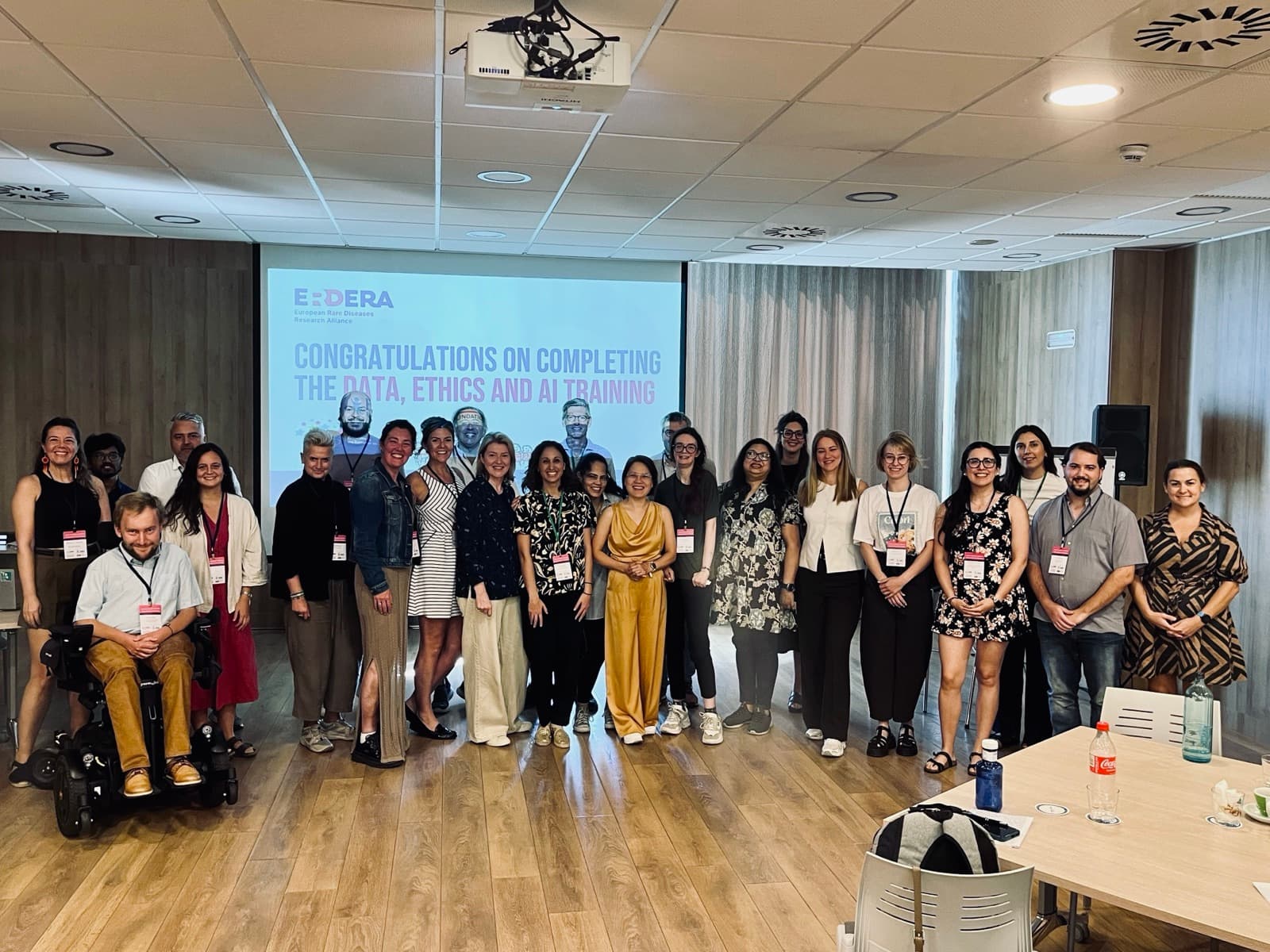
Navigating Rare Disease Research: Data, Ethics & AI in Europe
Speaker — “Introduction to AI and drug repurposing.” How AI can accelerate research and unlock new treatments for rare disease. EURORDIS Open Academy.
CURE5 Knowledge Engine
An AI tool that answers questions from the CDKL5 research literature, with citations.
CURE5 Foundation @ IEC2025
At the International League Against Epilepsy congress in Lisbon.
On AI & CDKL5 research
The CDKL5 in Color podcast, episode 35.